Lenten Offerings at St. Vincent de Paul Parish
He said to them, “Come and See.” Click the link to see the prayer and community events that St. Vincent de Paul Parish is holding this Lent. The Easter schedule is also included. Post Views: 282


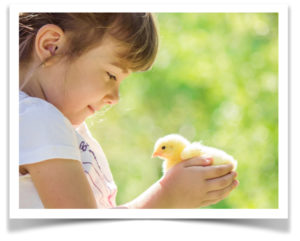
We endeavor to engage the natural wonder of children and guide them to knowledge and a life of wisdom, while cultivating a grateful heart oriented toward God and in service to the world around them.

Our approach to educating the whole child is built upon the four pillars of formation, including the spiritual life, intellectual life, social life, and physical life.

With love for truth and dedication to the Church, our sisters bring the message of Christ to life and provide an unparalleled education.


Introducing the Outdoor Learning Lab – a place set apart from the traditional indoor classroom which engages students at all levels of natural sensory input. After years of study, experimenting, and participating in the natural rhythm and pace of life as presented in the Lab, students can contemplate the wise design of creation, and the evident love with which it was given to the human race to steward. The Lab offers an array of interdisciplinary study for all grade levels, and a setting to reflect on our relationship to the Creator.
He said to them, “Come and See.” Click the link to see the prayer and community events that St. Vincent de Paul Parish is holding this Lent. The Easter schedule is also included. Post Views: 282

Interested in what is happening with Home and School? Click on the monthly newsletter links to see all that is happening each month at SVDP. September 2020 October 2020 November 2020 Veteran’s Day 2020 December 2020 Kickback Corner – Holiday Fundraising January 2021 February 2021 Post Views: 3,671

By: Jay Ezell Dang it! 7:56! Late again and it seems like a miracle we made it out the door at all. Kids not getting up on time. Not listening. Why do I have to repeat the same request over 3 times just for my kids to barely even pay attention? And that’s just…

by: Chris Boyle PE Teacher and 7th Grade Pre-Algebra Teacher March 2019 When I tell people that I am a Middle School Math Teacher, I am always entertained by the wide range of reactions I receive. A surprising amount of people respond somewhere on the spectrum between “amazement” and “bewilderment.”. I cannot tell you…

By Bridget Edmonds The Content Conundrum: How do I find age-appropriate books for my advanced reader? When I first started working at SVdP, one of the things that immediately stood out to me was the strong culture of reading that exists in the classrooms and homes of our students. It’s one of my favorite parts…

by: Sister Dominic Frogs and snails and puppy dog tails; that’s what little boys are made of. Why is it that this nursery rhyme from the late 19th century doesn’t ascribe to boys “sugar & spice and all things nice?” Are boys forever slated to be associated with slimy toads and mischief? Where…